Last updated: 10th September 2026. Reflects standard Malaysian product liability and CGL policy wordings current as of 2026.
Product liability insurance protects your business when something you made, supplied, or sold causes injury or damage to someone else. On its own, it does not cover your own lost income if a claim shuts down your production line. This guide to product liability insurance Malaysia covers what’s included, what’s excluded, and where manufacturers most often get this wrong.
Table of Contents
When a Defective Product Becomes a Factory’s Problem, Not Just a Customer’s
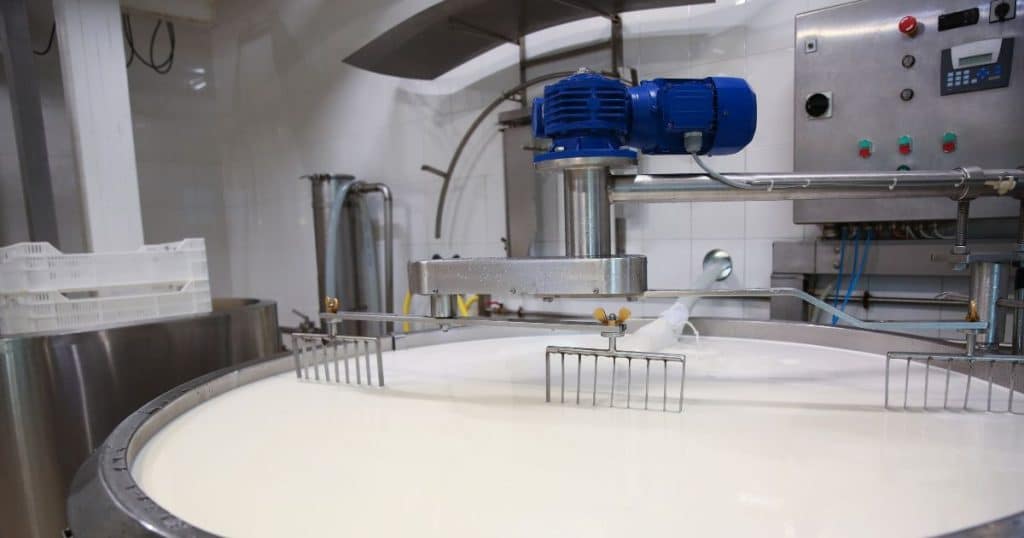
Here’s an example. A processing plant in Nilai supplies a food ingredient to several manufacturers.
One production batch gets contaminated. It shouldn’t leave the plant. It does.
The plant’s customers use that batch in their own products. Cereal bars. Sauces. Ready meals.
Weeks later, lab tests find the contamination. Every finished product made from that batch has to be destroyed. The plant’s customers did nothing wrong.
Many manufacturers assume product liability insurance is only for the company selling the final product. It’s not. It also protects suppliers of raw materials and components, like the plant in this story.
The batch itself was worth a few thousand ringgit. But the plant’s customers can claim against the plant for what they lost, not for the price of the batch. One bad batch can create a claim worth far more than the plant was ever paid for it.
At the same time, the plant faces a second problem. Regulators or the plant’s customers may want production stopped while they investigate. Orders get delayed.
If your factory buys from suppliers, sells to other businesses, or exports overseas, the same risk can apply to you.
So what does product liability insurance actually cover? And what does it leave out? Here’s a clear breakdown.
What Product Liability Insurance Actually Covers
What It Covers
Product liability insurance pays claims when your product injures someone else, or damages property that is not yours. This is called third-party cover. It does not pay for damage to your own things.
Your product does not need to be physically broken to trigger a valid claim. Contamination, like the batch in the example above, counts too, even though nothing was physically damaged.
The policy only responds once your product has left your hands. It calls this a “Product.” Your goods only count as a Product once you no longer own or control them, usually once they ship to a customer.
This distinction matters. If a machine part injures your own worker before it ships, that is not a product liability claim. It falls under a different type of policy.
The policy also pays your legal costs to defend a claim. This means you are not paying a lawyer out of your own pocket on top of everything else.
What It Typically Excludes
A standard policy leaves out several things. Knowing these gaps matters as much as knowing what is covered.
- Damage to your own product. If your own batch is faulty, the policy does not pay to replace or fix it.
- Recall costs. If you need to recall a product because of a known or suspected defect, this policy does not pay for that. Recall cover is usually a separate add-on, bought on top.
- Fines and penalties. Any fine or penalty from a court or regulator is excluded, along with punitive damages.
- Professional advice or consulting. If your company also offers consulting or advisory services, this policy does not cover claims arising from that advice.
How Cover Is Usually Structured
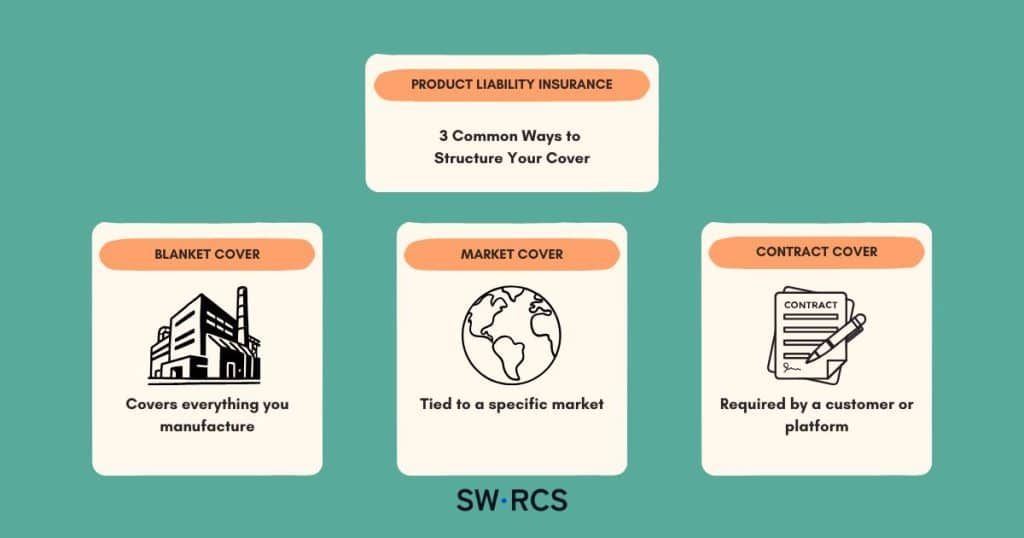
Malaysian manufacturers usually buy product liability cover in one of three ways.
All your goods, under one policy. This covers everything you manufacture under a single blanket limit, rather than buying separate cover for each product line.
Cover tied to a specific market. Some manufacturers buy cover tied to a specific export destination, often when entering a new country for the first time.
Cover required by a specific contract. Some customers, distributors, and online platforms require you to carry product liability cover that names them directly, before they will do business with you. Amazon is one clear example. Sellers who pass USD 10,000 in monthly sales on Amazon.com must carry commercial liability insurance. Amazon must be named as an additional party on the policy.
Product Liability Insurance Malaysia: What It Costs
Product liability insurance does not have a fixed price. Insurers look at several factors before setting your premium.
- What you manufacture, and how much risk it carries
- Which markets you sell to, including exports
- Your claims history
- The sum insured you choose
- Which extensions you add, such as recall cover
- How your cover is structured
Because of this, two quotes at different prices do not always mean two different levels of protection. Sometimes they simply cover different things.
The Risk Most Manufacturers Miss: A Product Claim Can Trigger a Business Interruption Loss
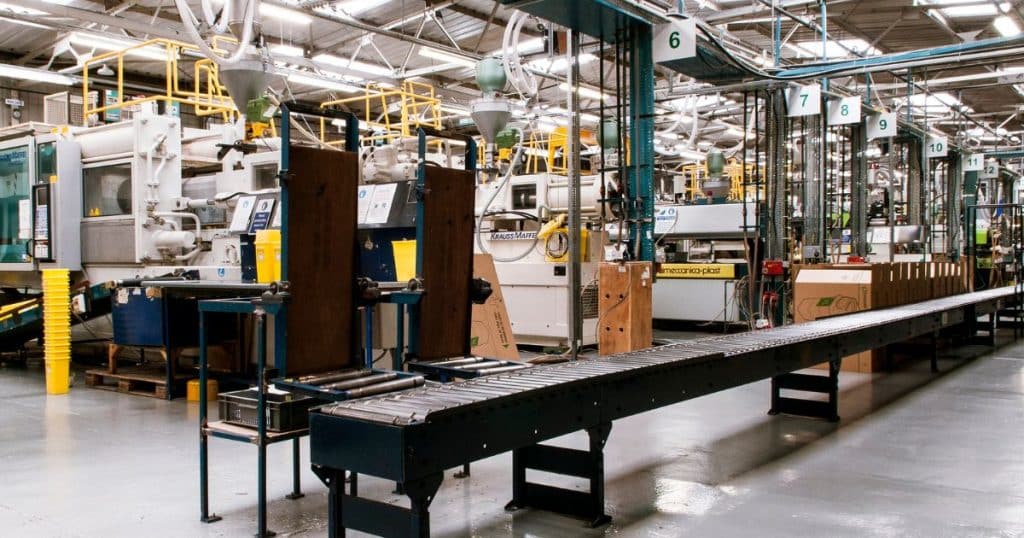
A product liability claim can trigger a second loss that this policy does not cover. Remember the plant from our example. Production would very likely stop while regulators investigated. That loss has nothing to do with the liability claim itself.
Product liability insurance does not pay for it. It only pays third parties for what they lost.
Recall cover, if you have it, only pays for the recall itself. It does not pay for lost income either.
A standard business interruption policy usually will not help here either. Most are triggered by physical damage, like a fire. A product liability event on its own often does not qualify.
This is not something you fix by ticking a box. It needs to be assessed and structured for your business.
Where Malaysian Manufacturers Commonly Get This Wrong
These are the mistakes we see most often among Malaysian manufacturers.
Assuming Public Liability Insurance Already Covers This
Product liability is not always its own separate policy. Some businesses buy it on its own. Others get it built into a Commercial General Liability policy, known as a CGL.
Here is the catch. Not every CGL policy includes product liability. Some are written to exclude it completely.
It also works the other way. Some standalone product liability policies exclude public liability entirely.
Having a CGL policy and having product liability cover are not always the same thing. Many manufacturers only discover the difference when a claim happens, and by then it is too late to fix.
Not Checking Whether Cover Follows the Product Across Borders
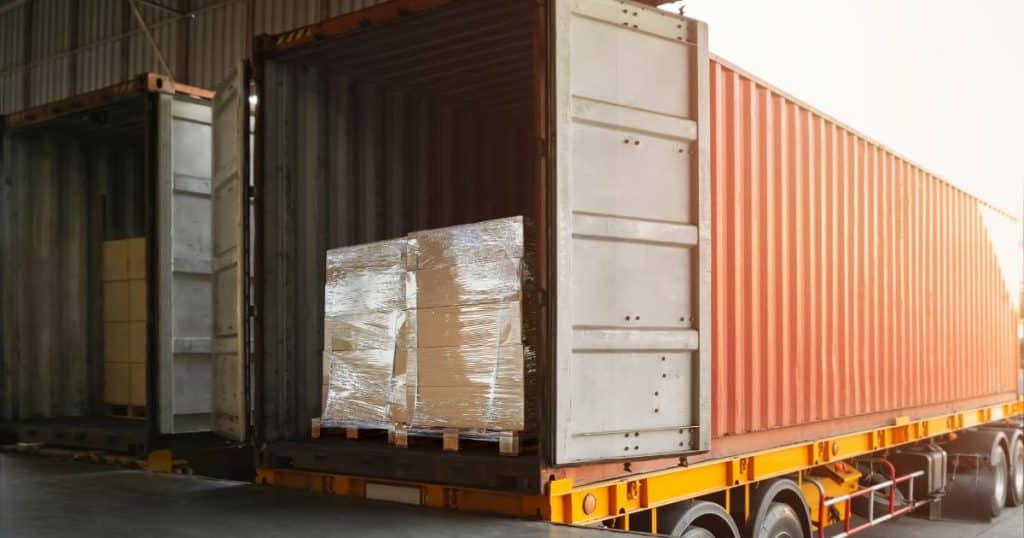
Many manufacturers assume their policy covers them everywhere they sell. It usually does not.
Your policy names specific countries, called the Jurisdiction. If a claim is filed outside that Jurisdiction, even for a genuine incident, the policy may not respond.
Export markets can also require your product to meet specific local safety standards. If your product does not meet the standard required in that country, this can be excluded too, even if it meets every standard in Malaysia.
This matters even more once a regulator gets involved, not just your customer. The United States can order a mandatory recall for cosmetics under a law called MoCRA. Singapore can order a recall for a range of registered consumer products, mainly household electrical and electronic goods.
If you export, check this with your own technical team or a compliance specialist, not just your broker.
No Recall Extension
Recall cover is usually an add-on, not something included by default. Many manufacturers buy a standard product liability policy and assume recall is already part of it. It usually is not.
Without it, you pay for a recall entirely out of pocket. Notifying customers, arranging returns, storing returned stock. All of it comes from your own funds.
As covered earlier, even recall cover only pays for the recall itself. It still will not replace the income lost while your line is stopped. That gap needs to be addressed separately, and on purpose, not assumed away.
Not Understanding Claims-Made vs. Occurrence, and Letting the Retroactive Date Lapse
This type of policy works differently from car or fire insurance. It does not respond simply because something happened during the policy period. It responds when a claim is first made against you during that period. This is called claims-made cover.
There is a second condition too. The incident itself must have happened on or after a specific date on your policy, called the Retroactive Date. An older incident that happened before the Retroactive Date usually falls outside your coverage, even if the claim only surfaces later.
This is why continuity matters. If you switch insurers, or renew without maintaining your Retroactive Date, you risk losing years of protection you already paid for, even if nothing went wrong in between.
This is worth protecting even if you are not switching brokers. It is coverage history you have already built and paid for, and it is easy to lose without realizing it.
Underestimating Sum Insured Against Batch or Concentration Risk
If you supply an ingredient, a part, or a raw material to other manufacturers, this mistake is worth knowing well.
As we saw in our example, one bad batch does not just create a claim for the value of that batch. It creates a claim for the value of everything made using it, across every customer who received it.
Sum insured chosen based on your own batch values, or your own revenue, often does not reflect this. The right number depends on how much downstream value a single batch could realistically affect, not on what you sold it for.
If you supply into other people’s production lines, this is worth a specific conversation, not a default figure.
Assuming Joint Venture or Partnership Products Are Automatically Covered
If you manufacture anything through a partnership or joint venture, do not assume it falls under your main product liability policy automatically. It usually does not.
This is easy to miss if the joint venture product is a small part of what you make, since everything else you manufacture may already be covered without issue. The right way to handle it depends on how the joint venture itself is structured, and that is not something to guess at.
Check this specifically for every joint venture or partnership arrangement you have, not just your main product lines.
Why This Is Not a Do-It-Yourself Checklist
A proper review is not something you can run through with a generic checklist. The right questions depend on what you manufacture, who you sell to, how your supply chain works, and how your business is structured today, not when you first bought the policy.
Two factories in the same industry can have completely different gaps. A cheaper quote and a more expensive one can look almost identical on paper, and still leave very different exposure once you look closely.
This is why comparing policies properly takes an actual review, not a checklist you fill in yourself.
What to Do Next
A proper review looks at your product lines, your export markets, your supply chain, and how your current policy actually responds if a claim happens. That is not something to guess at from an article, even a thorough one.
Request a product liability coverage review for your facility. We serve manufacturers across Peninsular Malaysia, with a base in Shah Alam, Selangor.
Common Questions
What is product liability insurance?
Product liability insurance protects your business if a product you made, supplied, or sold causes injury or property damage to someone else. It does not cover your own losses, like lost income or damage to your own goods.
What is the difference between product liability insurance and public liability insurance?
They are not always the same policy. Public liability generally covers incidents connected to your premises or operations. Product liability covers harm caused by a product after it leaves your possession. Some policies combine both. Others sell them separately, and each can exclude the other.
How much does product liability insurance cost in Malaysia?
There is no fixed price. Insurers look at what you manufacture, which markets you export to, your claims history, your sum insured, and which extensions you add, such as recall cover.
Does product liability insurance cover product recalls?
Not usually, on its own. A standard policy pays claims from injury or property damage caused by your product. The cost of the recall itself, such as notifying customers and arranging returns, is usually a separate add-on.
Do I need product liability insurance if I only sell to other businesses?
Yes. Selling only to other businesses does not reduce this exposure. If your product causes a problem after a business customer uses it in their own products, or sells it on, you can still be liable for what they lost.
Is product liability insurance the same as a product warranty?
No. A warranty is a promise about how your product will perform. Product liability insurance responds when your product causes injury or property damage to someone else. A warranty claim on its own is not something this policy covers.
What happens if my product causes harm outside Malaysia?
Your policy names specific countries it covers, called the Jurisdiction. If a claim happens outside those countries, your policy may not respond, even for a genuine incident. If you export, check which countries your policy actually names.
About the Author: Ernest Wong is the client-facing lead at SW Risk Control Services Sdn. Bhd. (SWRCS), a Shah Alam-based insurance agency serving Malaysian SME manufacturers across Business Interruption, employee benefits, and other commercial insurance lines.
Want to know what this looks like for your own team? Reach out and let’s have a quick chat. No charge, no pressure.
This article is for general information only. It is not insurance advice. Insurance terms and prices are different for each insurer. Please check the actual policy documents, or talk to a licensed insurance advisor, before making a decision.